

2.5mm vs 3.15mm Chainwire Mesh: Which Wire Diameter Do You Need?
Compare 2.5mm vs 3.15mm chainwire mesh for strength, weight, security and common applications to choose the right fencing wire diameter.
Introduction
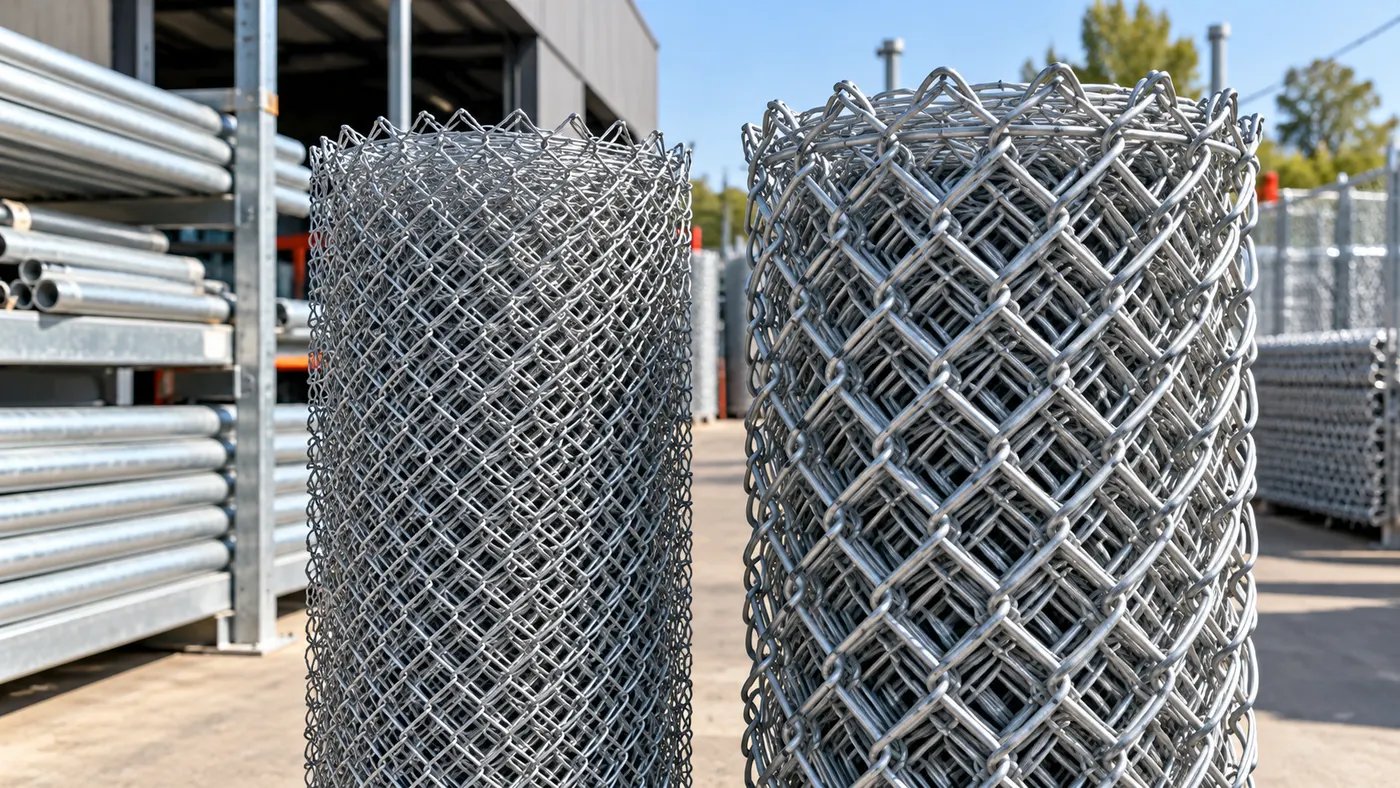
Two chainwire fences can have the same height, diamond size and finish but perform very differently. One reason is hiding in plain sight: wire diameter.
The 2.5mm vs 3.15mm chainwire mesh decision affects the amount of steel in the mesh, its weight and how robust the finished fencing fabric is. While 2.5mm can be well suited to many general fencing applications, 3.15mm is the heavier option commonly considered when greater strength or more demanding service is required.
Supaguard Fencing offers both diameters across its chain link range, including heavily galvanised and PVC-coated configurations. Its current product range also combines these wire diameters with several apertures and fence heights, meaning diameter is only one part of choosing the right mesh.
So, is thicker automatically better?
Not necessarily. The smarter question is: which diameter suits the job?
TLDR - Quick Guide
When comparing 2.5mm vs 3.15mm chainwire mesh, remember:
2.5mm wire is lighter and available across a wide range of general-purpose mesh configurations.
3.15mm wire contains more steel and produces a heavier mesh when other specifications are comparable.
Both diameters are common within Australian chainmesh fencing products.
Wire diameter shouldn't be considered separately from aperture, height, coating and selvedge.
Higher-demand commercial, sporting or security applications may justify a heavier specification.
The entire fencing system—including posts, rails, fittings and gates—needs to suit the chosen mesh.
Bottom line: choose 2.5mm when it satisfies the project's performance requirements. Step up to 3.15mm when the specification or application calls for a heavier, more robust mesh.
Detailed Breakdown: 2.5mm vs 3.15mm Chainwire Mesh
What Does the Wire Diameter Actually Mean?
The numbers are straightforward.
A 2.5mm mesh uses wire with a nominal diameter of 2.5 millimetres, while 3.15mm mesh uses thicker wire.
That difference sounds tiny—just 0.65mm.
But diameter affects the cross-sectional area of the wire. Based purely on the geometry of a circular cross-section, 3.15mm wire has roughly 59% more cross-sectional area than 2.5mm wire.
That doesn't mean a completed 3.15mm fence is automatically "59% stronger." Fence performance depends on numerous other variables, including steel properties, aperture, height, tensioning and framework.
It does explain why the thicker mesh gets noticeably heavier.
A Real Supaguard Example
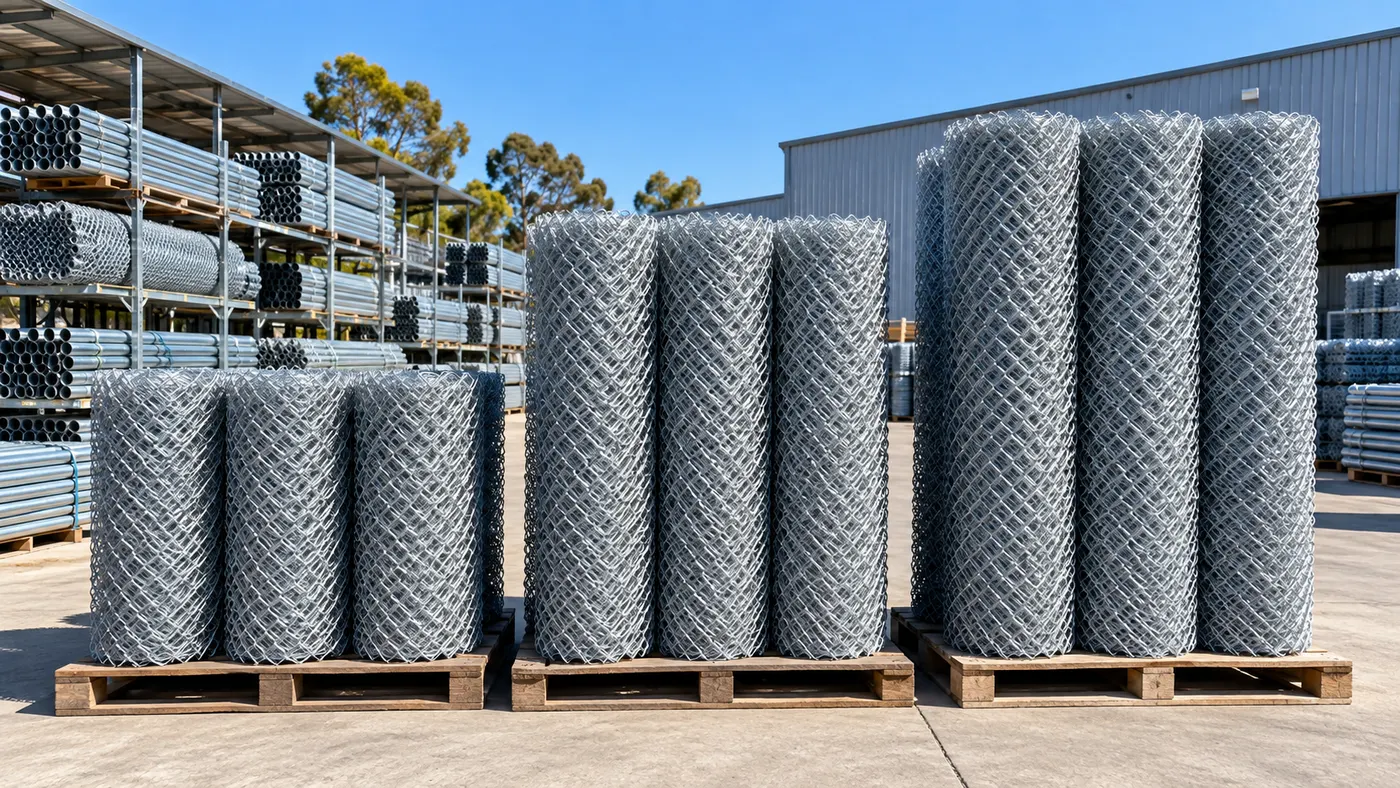
Supaguard's Chain Link Mesh range provides a useful like-for-like comparison.
Consider heavily galvanised mesh with a 50mm aperture, 1800mm height and 15m roll length:
- 50 × 2.50mm mesh: 54kg
- 50 × 3.15mm mesh: 69kg
That's a 15kg difference for otherwise similarly dimensioned rolls in Supaguard's current listings.
Move to PVC-coated mesh with the same 50mm aperture, 1800mm height and 15m length and Supaguard lists:
- 2.50mm: 50kg
- 3.15mm: 69kg
- Again, the thicker wire creates a substantially heavier roll.
That's why the 2.5mm vs 3.15mm chainwire mesh decision shouldn't be dismissed as a tiny difference on a specification sheet.
When Does 2.5mm Chainwire Mesh Make Sense?
A 2.5mm wire diameter is widely available and can be appropriate for many general chainwire fencing applications.
Supaguard currently lists heavily galvanised 2.5mm mesh with apertures including 25mm, 40mm, 45mm, 50mm and 60mm, depending on height and product configuration. PVC-coated 2.5mm options are also available across several aperture sizes.
Another Australian chainmesh supplier describes 2.5mm and 3.15mm as the two most common gauges used for chainmesh steel fencing.
A 2.5mm specification may therefore make sense when:
- The project doesn't require heavier 3.15mm mesh.
- Lower overall mesh weight is advantageous.
- The fence is intended for general boundary or containment purposes.
- A particular aperture, height and coating combination is available in 2.5mm.
- Project specifications explicitly nominate 2.5mm wire.
- There's another practical clue in Supaguard's own product range.
Its Gates page states that its chainwire gates are wired with 50mm × 2.5mm chain mesh. That demonstrates that 2.5mm mesh is not simply a "light-duty" product with no place in functional fencing systems.
When Should You Consider 3.15mm Chainwire Mesh?
Choose 3.15mm when the project requires the heavier wire specification or when greater robustness is an important design consideration.
Supaguard offers heavily galvanised 3.15mm mesh in multiple apertures, including 25mm, 40mm, 45mm, 49mm and 50mm configurations. PVC-coated 3.15mm options are also available for several aperture sizes.
Potential applications can include:
- Commercial perimeters
- Industrial sites
- Higher-demand sporting facilities
- Infrastructure environments
- Taller fencing
- Security-focused applications
- Locations where more robust mesh is specified
- The important word is specified.
Don't upgrade solely because "thicker sounds better." A fencing system should be selected according to its purpose, applicable standards, project drawings, environmental exposure and expected loads.
For major commercial projects, Supaguard's Chain Link Fence Supplier Guide provides additional considerations when evaluating fencing products and suppliers.
Does Thicker Wire Mean a Smaller Mesh Opening?
No.
Wire diameter and aperture are separate specifications.
Wire diameter tells you how thick the steel wire is. Aperture describes the dimensions of the diamond-shaped opening created by the woven wire.
That's why Supaguard can offer both:
- 50 × 2.50mm mesh
- 50 × 3.15mm mesh
In both examples, the nominal aperture is 50mm, but the wire diameter changes. Supaguard also lists 40mm and 45mm apertures in both 2.5mm and 3.15mm wire configurations.
This distinction matters.
When comparing 2.5mm vs 3.15mm chainwire mesh, don't accidentally compare two products that also have different aperture sizes.
Otherwise, you're changing two variables at once.
What About Galvanised vs PVC-Coated Mesh?
Wire thickness is only half the conversation.
The finish also matters.
Supaguard offers heavily galvanised and PVC-coated chainwire, with PVC-coated products available in black and green options.
The appropriate finish depends on factors such as:
- Environmental exposure
- Corrosion protection requirements
- Appearance
- Site conditions
- Project specifications
This is why a fencing specification should never simply read "3.15mm chainwire" and call it a day.
A more complete specification considers wire diameter + aperture + height + finish + selvedge + roll length.
Don't Ignore Selvedge
Selvedge describes how the ends of the chainwire are finished.
Supaguard's range includes configurations identified as:
- KK — Knuckle/Knuckle
- KB — Knuckle/Barb
- BB — Barb/Barb
Different configurations suit different applications. Supaguard's current 50 × 3.15mm heavily galvanised range, for example, includes multiple heights with KK, KB and BB options.
A smoother knuckled edge may be preferred where people frequently come into contact with the fence, while barbed configurations may be considered where the fence design has greater security requirements.
Again, wire diameter alone doesn't tell the whole story.
2.5mm vs 3.15mm Chainwire Mesh: Quick Comparison
| Consideration | 2.5mm Mesh | 3.15mm Mesh |
|---|---|---|
| Wire diameter | 2.5mm | 3.15mm |
| Relative amount of steel | Lower | Higher |
| Relative mesh weight* | Lighter | Heavier |
| Handling | Generally easier due to lower weight | Heavier rolls require consideration |
| General fencing | Common option | Available where heavier mesh is required |
| Higher-demand applications | Depends on specification | Often worth considering |
| Galvanised options | Yes | Yes |
| PVC-coated options | Yes | Yes |
| Multiple apertures available | Yes | Yes |
*When comparing equivalent aperture, height, roll length and coating specifications.
The table makes the basic difference clear, but choosing between 2.5mm vs 3.15mm chainwire mesh should still be based on the complete project requirements.
Your Mesh Needs the Right Framework
Heavier mesh doesn't magically create a stronger fence if everything supporting it is underspecified.
Chainwire works as part of a complete system.
That means considering the Pipe used for posts and rails, the Fittings connecting the framework and the appropriate Wire products used throughout the installation.
Depending on the fence, additional Fencing Accessories may also be required.
For a taller or heavier-duty chainwire fence, questions should include:
- Are the posts correctly sized?
- Is the post spacing appropriate?
- Does the framework need top or intermediate rails?
- Are terminal and corner posts suitable for the loads?
- Are the fittings compatible with the pipe?
- Is the chainwire correctly tensioned?
- Are gates and gate posts properly specified?
A fence is a system. Don't spend extra on heavier mesh and then treat the framework as an afterthought.
How to Choose Between 2.5mm and 3.15mm
Still undecided? Work through the project rather than choosing by diameter alone.
Choose Based on Application
Start with what the fence needs to accomplish.
A straightforward boundary, sporting enclosure, warehouse perimeter and restricted industrial site may each require different specifications.
Check the Required Standard or Project Specification
If drawings, tenders or engineering documentation nominate a wire diameter, follow that requirement.
Don't substitute one diameter for another simply because it's available.
Compare Like With Like
When comparing 2.5mm vs 3.15mm chainwire mesh, keep the other variables consistent.
Compare the same:
- Aperture
- Height
- Coating
- Selvedge
- Roll length
- That gives you a meaningful comparison.
- Consider the Whole Fence
- Finally, make sure the mesh works with the posts, rails, gates, wire and fittings.
- The strongest component in the yard doesn't automatically create the strongest fence.
Key Takeaways
The 2.5mm vs 3.15mm chainwire mesh choice comes down to matching wire diameter to the job.
2.5mm chainwire is a widely available option across numerous apertures, heights and finishes and can suit many general fencing applications. Supaguard even specifies 50mm × 2.5mm chain mesh across its chainwire gate range.
3.15mm chainwire uses thicker wire, contains more steel and creates noticeably heavier mesh when compared on otherwise equivalent dimensions. It's an option worth considering where a heavier specification is required for commercial, sporting, industrial or security-focused applications.
But wire diameter isn't a standalone decision.
Aperture, coating, height, selvedge, framework and application all matter. Choose the complete fencing specification first—and then choose the wire diameter that fits it.
Need help matching chainwire mesh and supporting components to your project? Contact Supaguard Fencing to discuss your requirements.
FAQs
Is 3.15mm chainwire stronger than 2.5mm chainwire?
A 3.15mm wire has a larger cross-sectional area and contains more steel than a 2.5mm wire of the same material. This generally makes it the more robust option when comparing otherwise equivalent mesh configurations, although total fence performance depends on many other factors. Aperture, coating, height, framework, tensioning and installation must also be considered.
Is 2.5mm chainwire mesh suitable for commercial fencing?
Yes, 2.5mm chainwire can be suitable for various applications where it satisfies the project's performance and specification requirements. Supaguard offers 2.5mm mesh across numerous apertures, heights and both galvanised and PVC-coated configurations. The required security level, site conditions and complete fence design should determine whether 2.5mm is appropriate.
How much heavier is 3.15mm chainwire than 2.5mm?
The exact difference depends on aperture, fence height, roll length and coating. For example, Supaguard lists 1800mm-high × 50mm heavily galvanised mesh in a 15m roll at 54kg for 2.5mm wire and 69kg for 3.15mm wire. Always compare equivalent product dimensions when evaluating the weight difference.
Can I get both 2.5mm and 3.15mm chainwire in PVC-coated finishes?
Yes, Supaguard lists PVC-coated chainwire in both 2.5mm and 3.15mm wire diameters across multiple mesh apertures. Its PVC-coated range includes black and green colour options. Availability depends on the particular combination of aperture, height, diameter and other product specifications.
Which should I choose: 2.5mm vs 3.15mm chainwire mesh?
Choose 2.5mm where it satisfies the required fencing specification and a lighter mesh is appropriate for the application. Consider 3.15mm where the project calls for heavier, more robust chainwire or specifically nominates that diameter. In either case, confirm the aperture, height, coating, selvedge and supporting framework before ordering.
Products and a project to match.
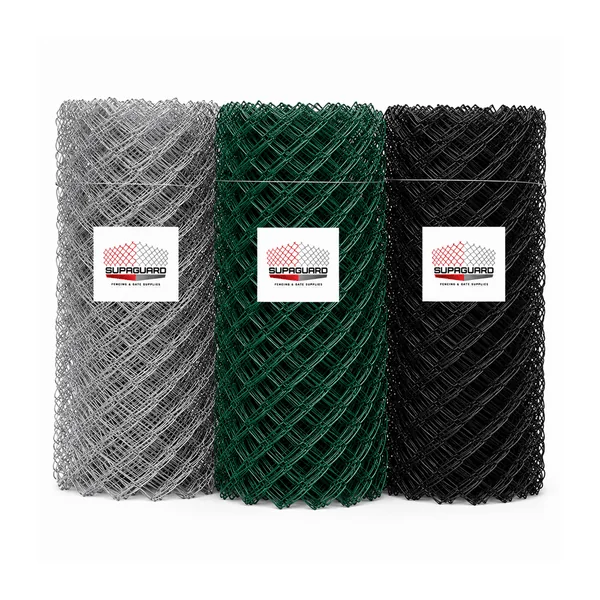
Chain Mesh
Chain link mesh in 25 to 60 mm apertures and 2.24 to 3.15 mm wire for security, temporary, tennis court and golf screen fencing. Galvanised, black or green PVC.
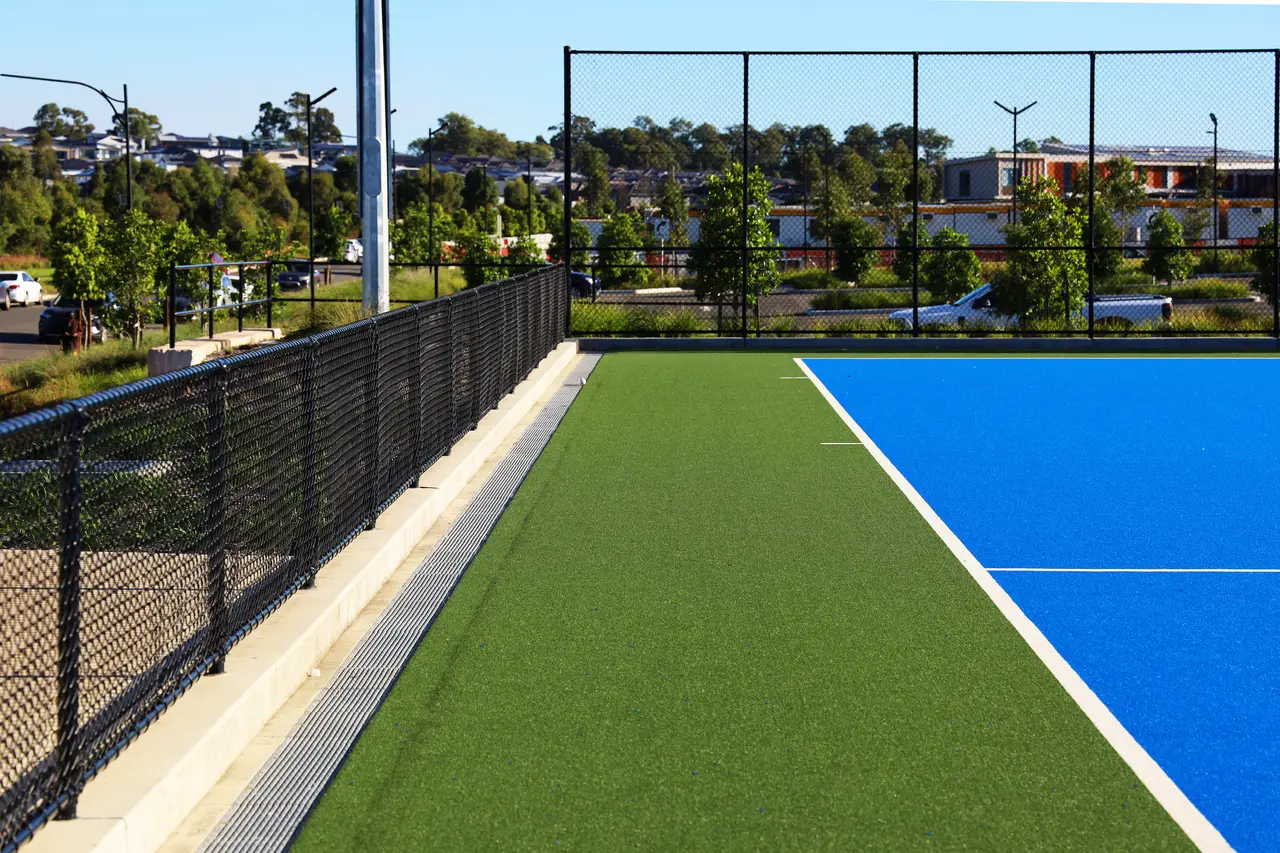 Sport
Ball-stop fencing for a synthetic hockey pitch and sports fields
Australia
High ball-stop chainwire around a synthetic hockey pitch, playing fields and cricket practice nets, black-coated so the fence line disappears against the play.
More from the blog.
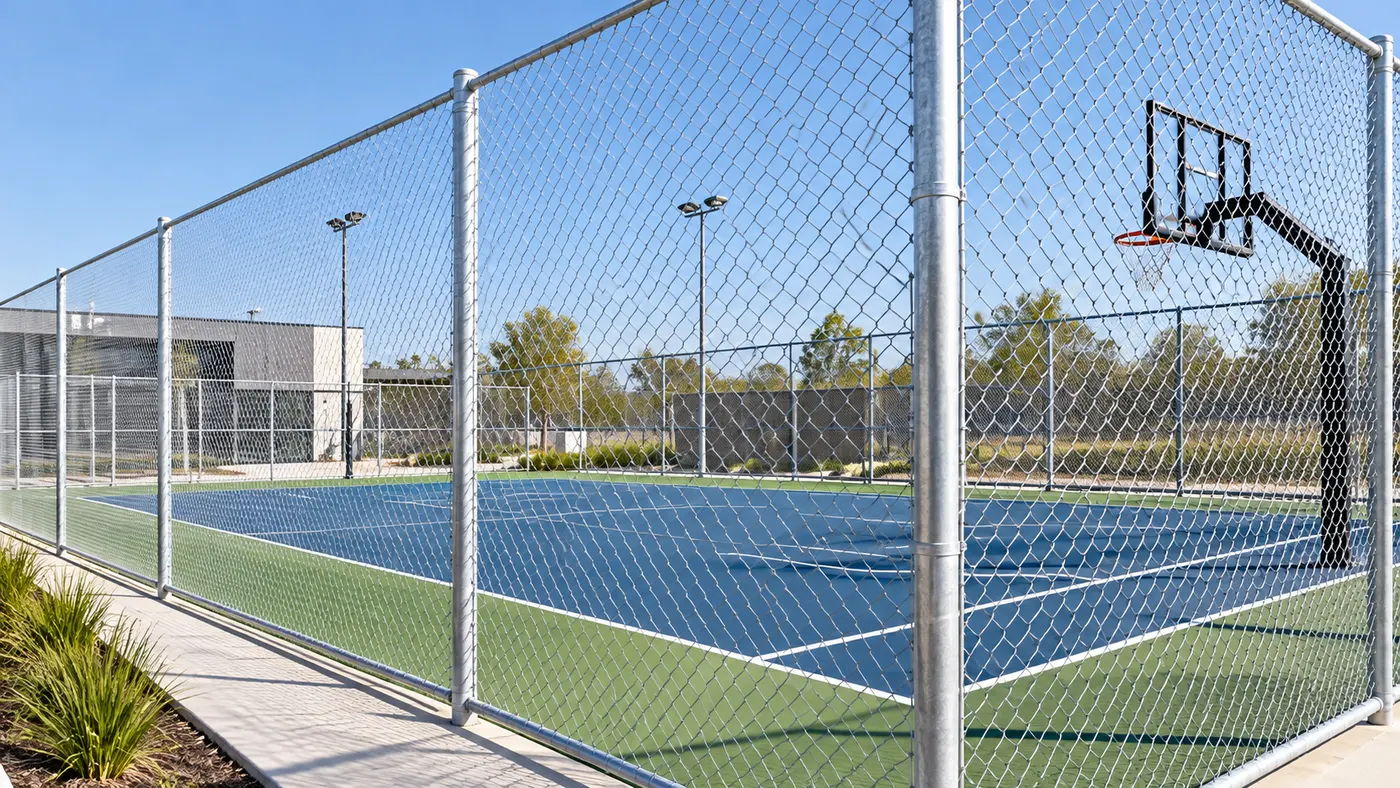 Sports Fencing
What Chainwire Mesh Specifications Work Best for Sports Courts?
2 Oct 2026
Compare chainwire mesh specifications for Australian sports courts, including mesh size, wire diameter, height, coatings and framing.
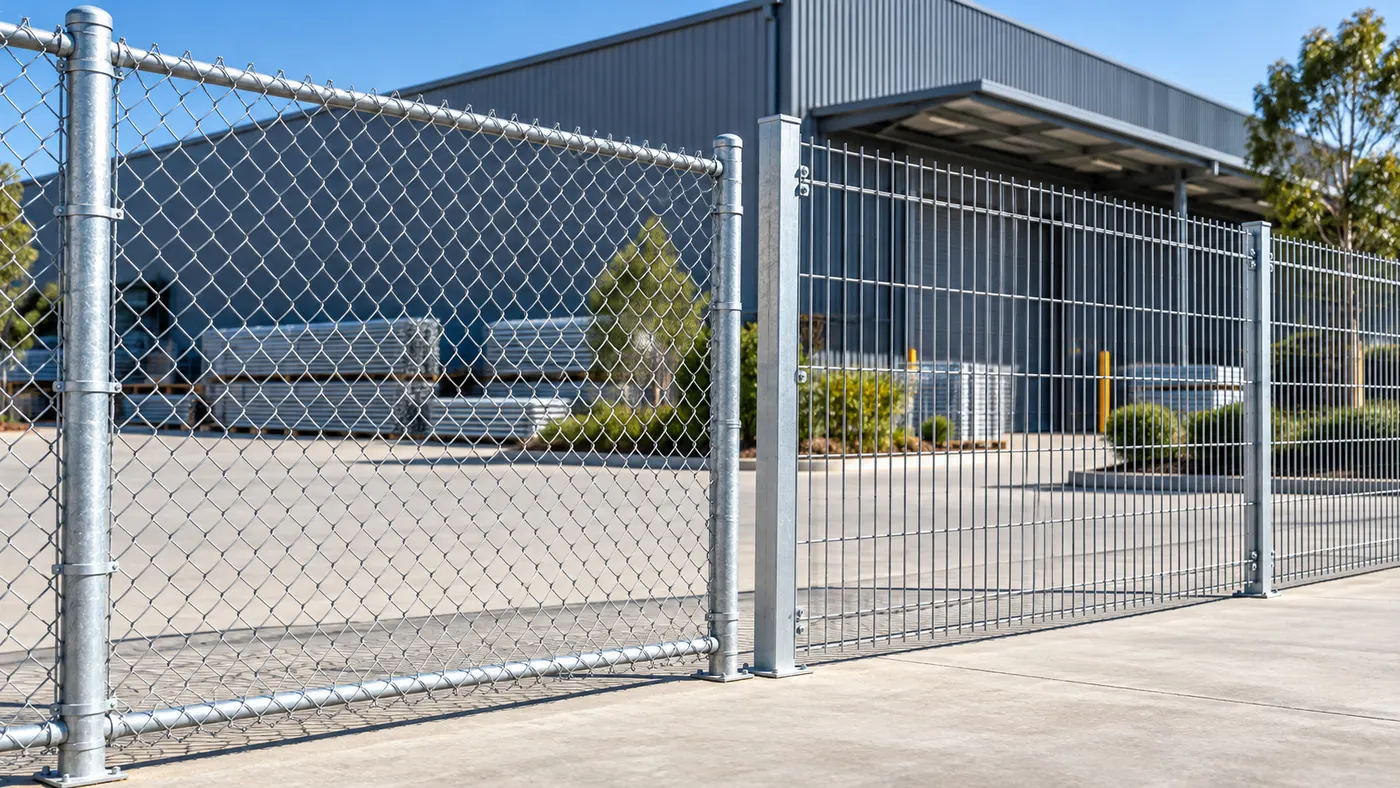
 Chainwire Mesh Procurement
How to Choose Chainwire Mesh Roll Sizes for Large Projects
2 Nov 2026
Learn how to choose Chainwire Mesh Roll Sizes for large fencing projects based on fence length, height, mesh, wire diameter and site needs.
 Welded Mesh
 vs Chainwire Fencing: Which Should You Choose?
2 Nov 2026
Compare welded mesh vs chainwire fencing for security, visibility, flexibility, finishes, installation, and commercial applications.
Tell us about the fence.
One business day. That's how fast we come back with pricing once we have your quantity, finish and postcode.
Buying regularly? Apply for a credit account