
Chainwire Fence Posts vs Rails: What's the Difference?
Compare chainwire fence posts vs rails, their structural roles, common types and how they work together in a complete fencing system.
Chainwire Fence Posts vs Rails: What's the Difference?
Introduction
Look at a finished chainwire fence and the mesh usually gets most of the attention. Look a little closer, though, and you'll find two components doing much of the structural work: posts and rails.
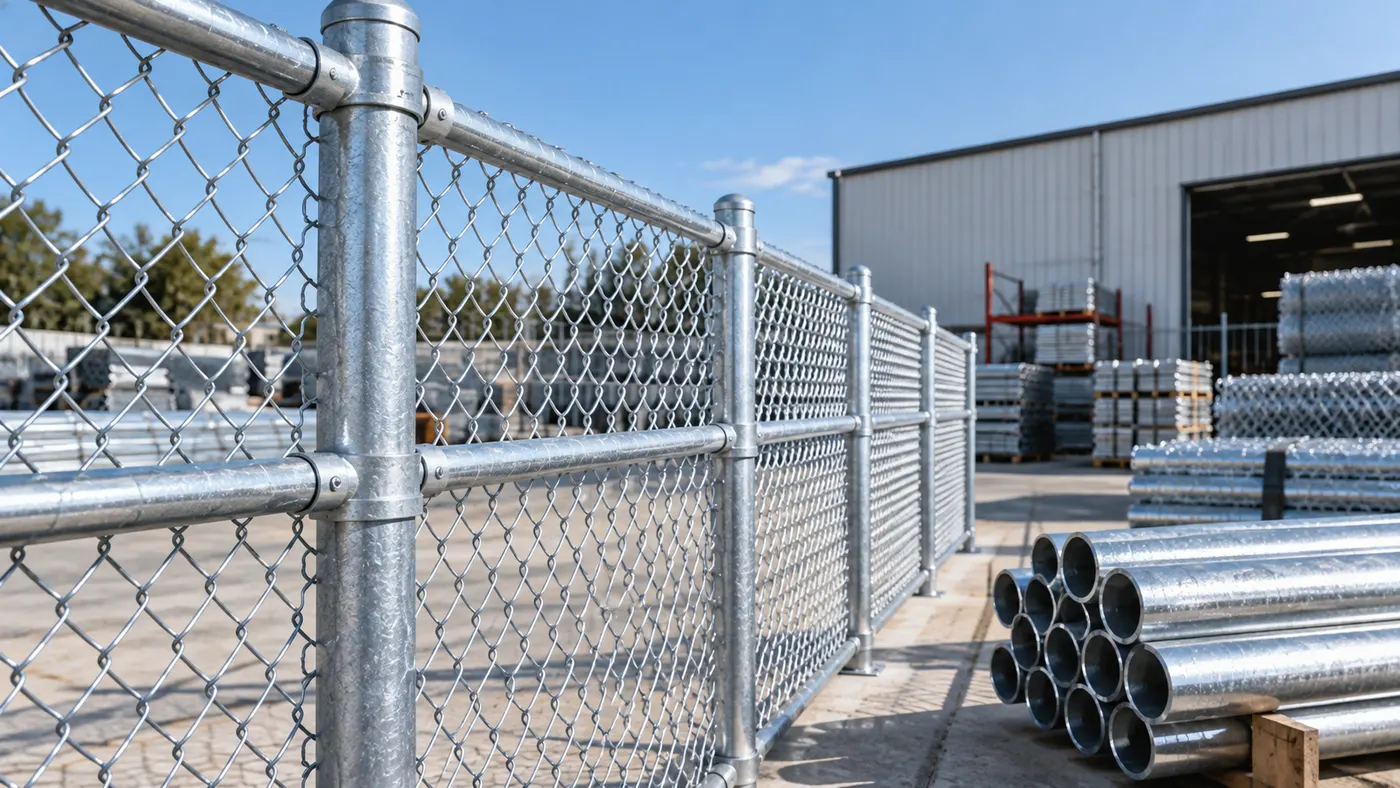
Understanding chainwire fence posts vs rails is important because they're not interchangeable. Posts primarily provide vertical support and anchor the fence, while rails run horizontally between posts to support the fencing system and help maintain its shape.
Supaguard Fencing supplies the components used to create complete Australian chainlink fencing systems, from mesh and wire to pipe, gates and fittings.
So, which component does what—and do you actually need both?
Let's break it down.
TLDR - Quick Guide
The difference between chainwire fence posts vs rails is mainly about their position and structural function.
Posts:
- Stand vertically.
- Anchor the fence structure.
- Include line, end, corner and gate posts.
- Support the mesh and other framework components.
- Terminal posts handle tension at critical points such as ends and corners.
- Rails:
- Generally run horizontally.
- Connect and support the framework between posts.
- Commonly appear as top rails.
- Can also be installed as bottom or intermediate rails where required.
- Help support the chainwire fabric and improve framework rigidity.
- Think of it this way:
Posts give the fence its vertical structure. Rails help tie that structure together horizontally.
The Chain Link Mesh then forms the actual barrier across that framework.
Detailed Breakdown: Chainwire Fence Posts vs Rails
What Are Chainwire Fence Posts?
Fence posts are the vertical members installed along the fence line.
They provide the structural points from which the rest of the chainwire fencing system is supported. Depending on their position, posts can support mesh, rails, tensioned wire, fittings and gates.
But not every post does the same job.
There are several important types.
Line Posts
Line posts sit between the major structural posts along a straight fence run.
Their main job is to provide intermediate support so the chainwire doesn't have to span an excessive distance without structural support. The mesh is secured to these posts, while a top rail—when used—typically travels along or through the upper portion of the line-post system.
Line posts are therefore the regular support points of the fence.
End Posts
End posts are installed where a fence run finishes.
Unlike an ordinary line post, an end post must deal with the tension created when the chainwire fabric is stretched along the fence line. That's why terminal posts are generally stronger than intermediate line posts.
Corner Posts
Corners create another major tension point.
Instead of the chainwire simply continuing in a straight line, the fence changes direction. The corner post therefore becomes an important structural anchor for the adjoining fence runs.
Correct post selection becomes increasingly important as fence height, mesh tension and overall security requirements increase.
Gate Posts
Gate posts have yet another job.
They provide the structural support at a gate opening and may carry hinges and the weight or movement associated with the gate. Supaguard's Gates range includes chainwire mesh gates in galvanised and black finishes, while its fitting range includes gate hinges designed for different post and gate pipe combinations.
This is a good example of why comparing chainwire fence posts vs rails purely by appearance misses the point.
Posts are selected according to the loads and functions they need to handle.
What Are Chainwire Fence Rails?
Rails are horizontal structural members.
A typical top rail runs along the upper edge of the chainwire fence and connects the vertical framework. Chainwire fabric can then be tied to the rail, helping support the mesh and reduce sagging between posts.
While the top rail is the version most people recognise, it's not the only possibility.
Depending on the fencing design, you may encounter:
- Top rails
- Bottom rails
- Intermediate or mid rails
- Bracing rails
- Their exact use depends on the fence design and specification.
What Does a Top Rail Do?
A top rail creates a continuous horizontal support along the upper portion of a fence.
It helps:
- Connect the framework.
- Support the chainwire fabric.
- Maintain alignment.
- Reduce sagging.
- Add rigidity to the fencing system.
Rather than supporting itself vertically from the ground, the rail depends on the posts.
That's the fundamental difference.
Posts transfer and resist structural loads through their anchorage. Rails span horizontally between those structural points.
Chainwire Fence Posts vs Rails at a Glance
| Feature | Fence Posts | Fence Rails |
|---|---|---|
| Orientation | Vertical | Horizontal |
| Main purpose | Anchor and support the fence | Connect/support the framework |
| Typical types | Line, end, corner, gate | Top, bottom, intermediate |
| Ground connection | Usually anchored into the ground or a base | Usually connected between/to posts |
| Mesh support | Provides vertical support points | Supports mesh horizontally |
| Gate role | Gate posts can support gates | May brace or frame sections |
| Importance | Fundamental structural component | Depends on fencing design/specification |
The two components have different jobs, but they're designed to work as part of the same system.
Can Posts and Rails Be Made From the Same Pipe?
Potentially, yes—but that doesn't mean they're automatically the same specification.
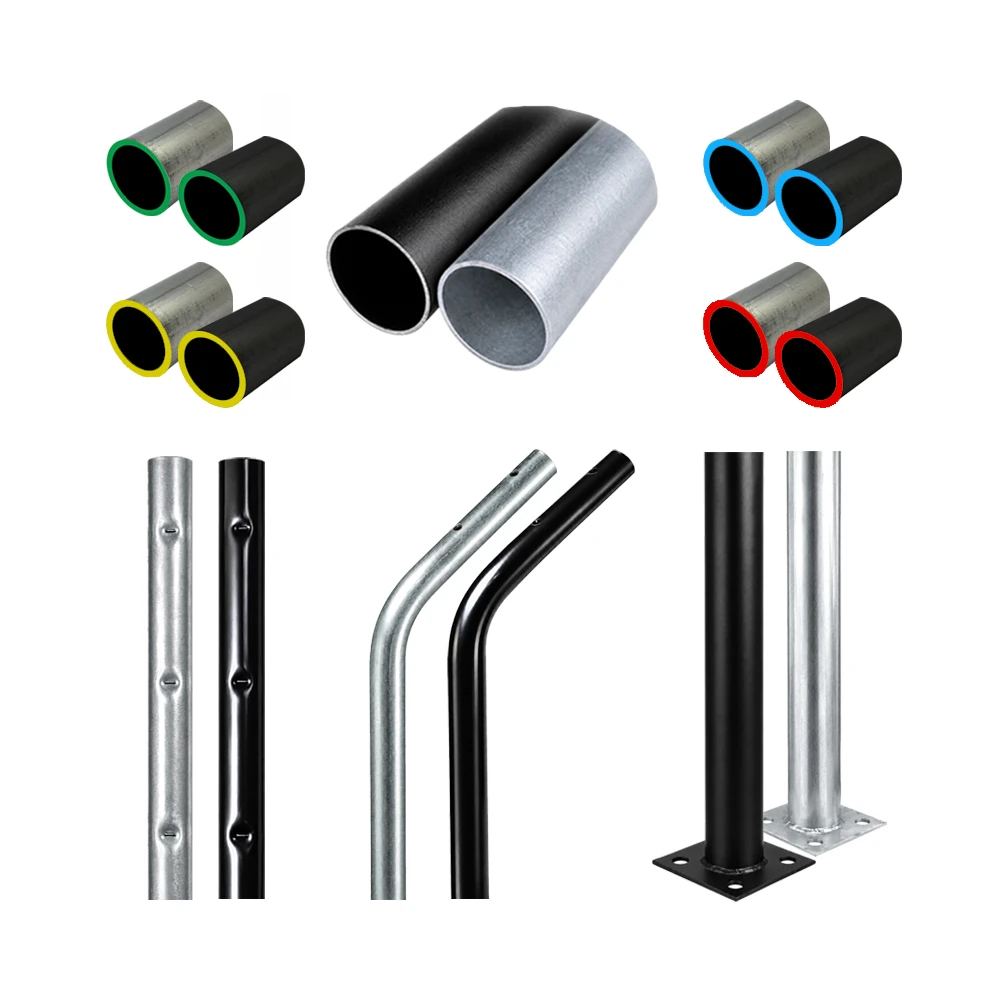
Supaguard's Pipe range demonstrates how much variation exists in fencing pipe. Its published specifications include 25NB, 32NB, 40NB, 50NB and 80NB, with different outside diameters and wall thicknesses available. Supaguard also offers galvanised and powder-coated black options.
For example, Supaguard lists:
- 25NB: 33.70 mm outside diameter
- 32NB: 42.40 mm outside diameter
- 40NB: 48.30 mm outside diameter
- 50NB: 60.30 mm outside diameter
- 80NB: 88.90 mm outside diameter
- Wall thickness also varies according to the pipe and grade.
- That's important because diameter isn't the only specification that matters.
A gate post, terminal post, line post and rail may be subjected to very different forces. Pipe selection should therefore follow the fence design rather than assuming one pipe size can be used everywhere.
Supaguard also states that pipe can be cut to length on request, subject to additional charges.
How Are Rails Connected to Posts?
This is where the small components start doing important work.
Rails don't simply balance between posts and hope for the best.
A chainwire fencing system uses appropriate Fittings to connect different components. Supaguard's fitting range includes rail clamps, post clamps, adjustable corners, post caps, multi-purpose connectors, pipe straps, base plates and other components.
Its rail clamps, for example, are available for multiple pipe sizes including:
- 25NB
- 32NB
- 40NB
- 50NB
Supaguard separately lists post clamps covering pipe sizes from 25NB through to 100NB.
Those options highlight an important point: the supporting hardware needs to match the pipe and intended configuration.
A fence is only as coherent as the connections holding its components together.
Where Do Mesh and Wire Fit In?
Posts and rails create the framework.
The chainwire creates the barrier.
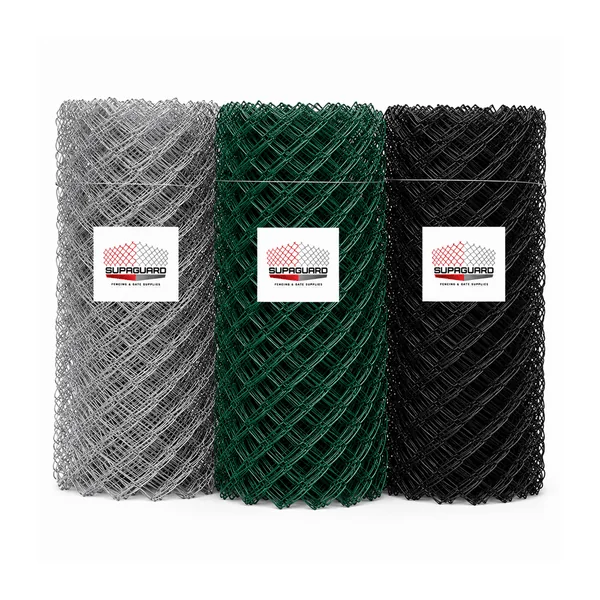
Supaguard's Chain Link Mesh is available across different mesh dimensions, wire diameters, heights, finishes and selvedge configurations. The range includes heavily galvanised and PVC-coated options, including black and green finishes.
The mesh is tensioned across the structural framework rather than simply hanging loosely between posts.
Other Wire products can also form part of a chainwire fencing system, depending on its design.
That's why the framework matters so much.
Even excellent chainwire mesh can perform poorly if its supporting structure isn't appropriate for the fence height, length, environment and intended application.
Do All Chainwire Fences Need a Top Rail?
Not necessarily.
Top rails are common because they provide useful horizontal support, but some chainlink fencing systems can use tension wire or other configurations instead. Bottom rails can also be used in place of bottom tension wire, while taller or more demanding fences may incorporate additional horizontal rails.
The right configuration depends on factors such as:
- Fence height
- Security requirements
- Site conditions
- Mesh specification
- Gate locations
- Expected loads
- Applicable standards
- Project drawings and engineering requirements
This is one area where copying another site's fence isn't a great specification strategy.
Two chainwire fences that look similar can have very different structural requirements.
What About Fencing Accessories?
The difference between chainwire fence posts vs rails is only one part of understanding the complete system.
Depending on the project, additional Fencing Accessories can include components and tools associated with installing or securing the fence.
Together, a typical chainwire system may involve:
- Posts
- Rails
- Chainwire mesh
- Line or tension wire
- Tie wire or fasteners
- Fittings and clamps
- Gates
- Gate hardware
- Security toppings where specified
- Each part needs to work with the next.
- Which Is More Important: Posts or Rails?
- That's a bit like asking whether a table needs legs or a frame.
- They perform different jobs.
Posts are fundamental structural supports. Terminal posts in particular need to resist the tension placed on them by stretched chainwire, while line posts maintain support along the fence run.
Rails add horizontal support and rigidity. A top rail can help support the mesh and keep the upper fence line aligned, while additional rails may be specified for certain heavier-duty applications.
The more useful question is:
What combination of posts, rails and other components does this particular fence require?
Choosing Posts and Rails for Commercial or Security Fencing
Residential boundary fencing and a high-security commercial perimeter don't necessarily belong in the same specification sheet.
As the fence becomes taller, gates become heavier or security demands increase, the framework needs to be selected accordingly. Terminal posts, gate posts and other load-bearing components can require larger or heavier pipe than ordinary intermediate supports.
For projects at this end of the spectrum, understanding how to assess suppliers is equally important. The Chain Link Fence Supplier Guide covers considerations when sourcing chainlink fencing products in Australia.
Don't select posts and rails in isolation.
Look at the entire fence system and its intended job.
A Simple Chainwire Framework Checklist
Before specifying components, ask:
- About the Fence
How high will it be?
How long are the fence runs?
What chainwire mesh is being installed?
What security level is required?
What site and environmental conditions apply?
About the Posts
Where are the line posts?
Where are the end and corner posts?
What loads will the terminal posts handle?
Are gate posts required?
What pipe diameter and wall thickness are specified?
How will posts be anchored?
About the Rails
Is a top rail required?
Is a bottom rail required?
Are intermediate rails needed?
What pipe specification is required?
Which fittings connect the rails to the posts?
About the Complete System
What wire and fasteners are needed?
How will the mesh be tensioned?
What gates are required?
Are all fittings compatible?
Does the design satisfy applicable standards and project requirements?
Answer those questions before ordering, not halfway through installation.
Key Takeaways
The difference between chainwire fence posts vs rails is straightforward once you focus on function.
Posts are vertical structural supports. Line posts support the fence along straight runs, while terminal posts—including end, corner and gate posts—perform heavier structural roles at critical locations.
Rails provide horizontal support. Top rails commonly connect the framework and support the upper portion of the chainwire fabric, while bottom or intermediate rails can be incorporated where the design requires them.
Neither component works alone.
A complete chainwire fence brings together correctly specified posts, rails, mesh, wire, fittings, accessories and gates. Matching those components to the site's actual requirements is what turns a collection of steel products into a functioning fencing system.
Need help identifying suitable components for an upcoming project? Contact Supaguard Fencing to discuss your chainwire fencing requirements.
FAQs
What is the main difference between chainwire fence posts vs rails?
Posts are vertical structural members that anchor and support the chainwire fencing system. Rails run horizontally and help connect the framework while supporting the chainwire fabric between posts. Both components can be important, but they perform distinctly different structural roles.
What types of posts are used in chainwire fencing?
Common post types include line posts, end posts, corner posts and gate posts. Line posts provide intermediate support, while end, corner and gate posts act as terminal posts at points where greater structural demands can occur. The appropriate pipe specification depends on the fence design, height, loads and application.
Does every chainwire fence need a top rail?
No, not every chainwire fencing design necessarily requires a conventional top rail. Some configurations can use tension wire or alternative bracing arrangements, while other fences may incorporate top, bottom or intermediate rails. The correct approach should follow the project's fencing specification and structural requirements.
Can the same pipe be used for chainwire posts and rails?
Posts and rails can both be manufactured from steel pipe, but they shouldn't automatically be specified with identical dimensions or wall thicknesses. Their structural roles differ, and gate or terminal posts can face greater loads than horizontal rails or intermediate line posts. Supaguard offers fencing pipe across several nominal bore sizes, wall thicknesses and grades to accommodate different requirements.
What fittings connect chainwire fence posts and rails?
The required fittings depend on the pipe sizes and the particular fence configuration. Supaguard's range includes rail clamps, post clamps, adjustable corners, connectors, straps, caps and other fittings for constructing chainlink fencing systems. Correctly matched fittings help connect the individual framework components into a complete structure.
Products and a project to match.
Chain Mesh
Chain link mesh in 25 to 60 mm apertures and 2.24 to 3.15 mm wire for security, temporary, tennis court and golf screen fencing. Galvanised, black or green PVC.
Pipes
Fence pipe for posts and rails from 25NB to 150NB, galvanised or black, cut to length on request. Custom pipe posts fabricated in house. NSW and QLD supply.
 Sport
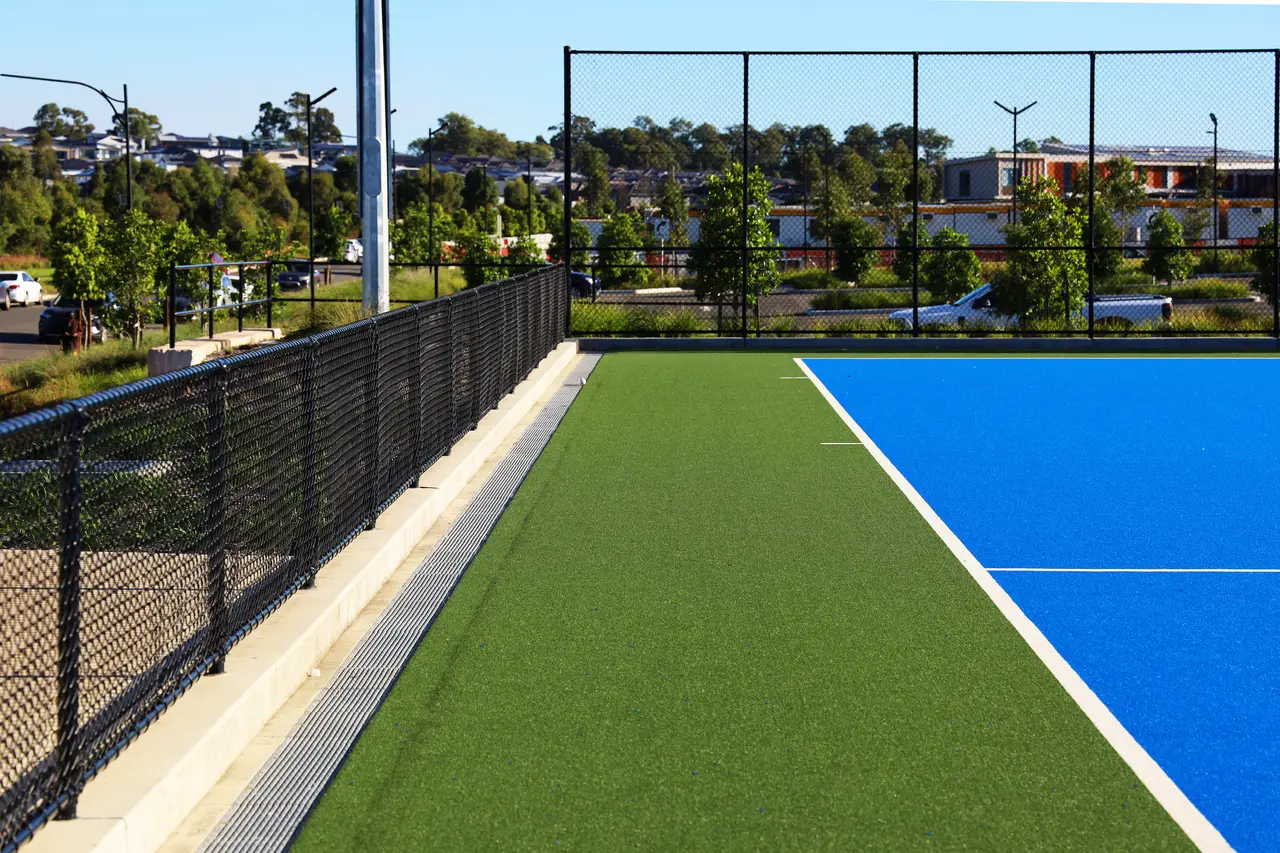
Ball-stop fencing for a synthetic hockey pitch and sports fields
Australia
High ball-stop chainwire around a synthetic hockey pitch, playing fields and cricket practice nets, black-coated so the fence line disappears against the play.
More from the blog.
 Fittings
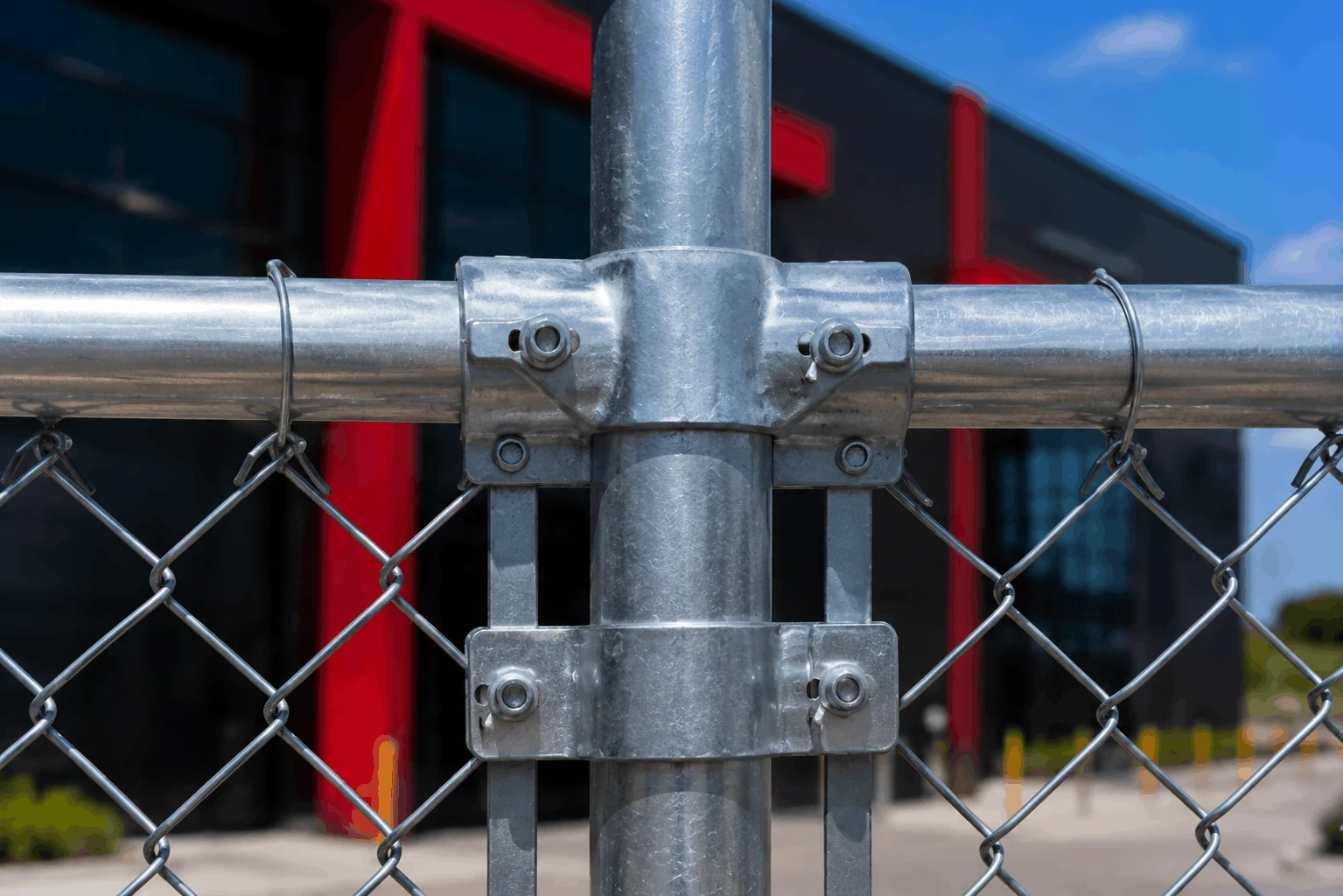
What Are Rail Clamps and Post Clamps Used For?
9 June 2026
Learn how rail clamps and post clamps improve fence stability, structural strength, and long-term performance in fencing systems.
 Fittings
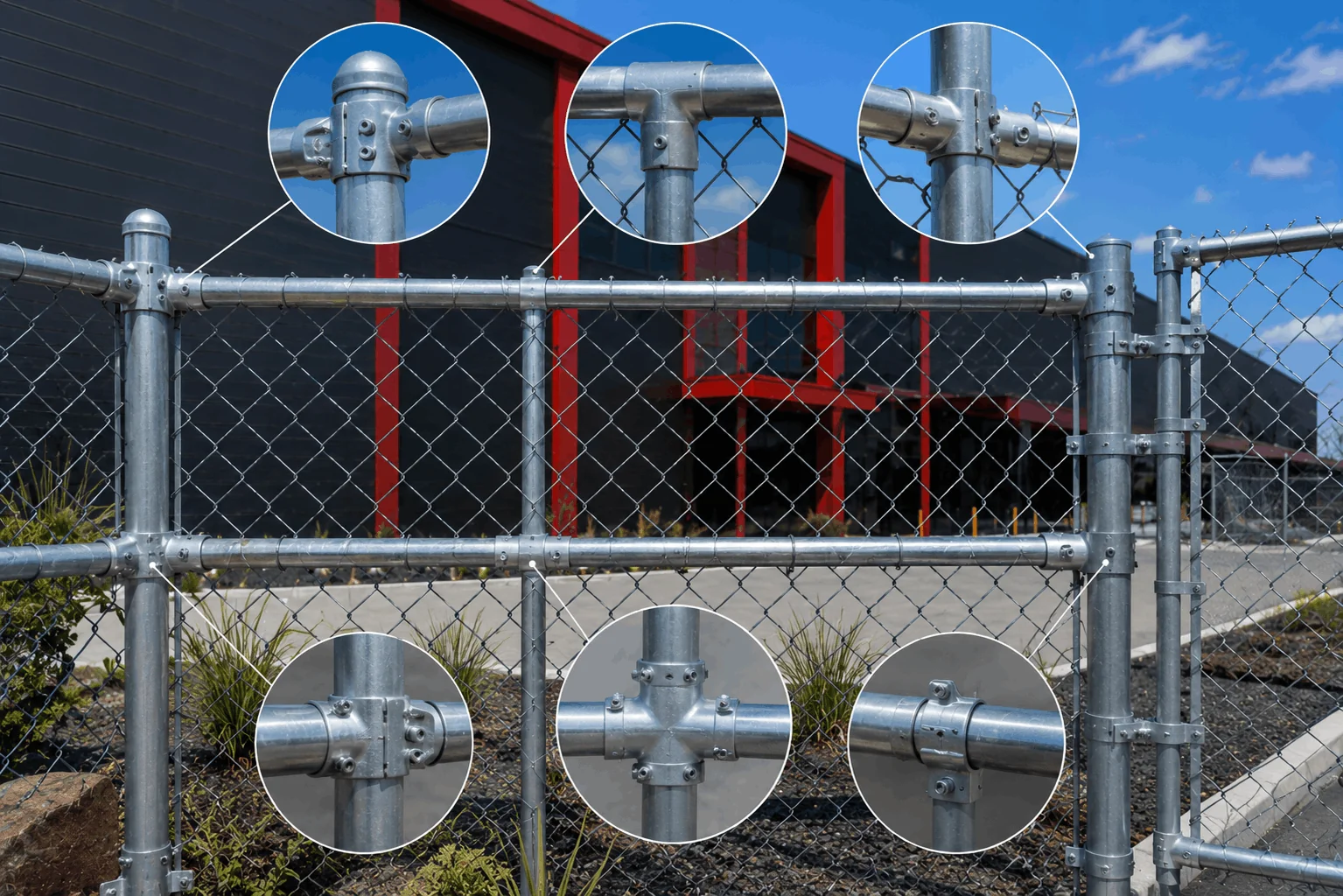
Complete Guide to Chainwire Fence Fittings and Connectors
8 June 2026
Learn about chainwire fence fittings, connectors, clamps, and post accessories that support strong and reliable fencing systems.
 Buying Guides
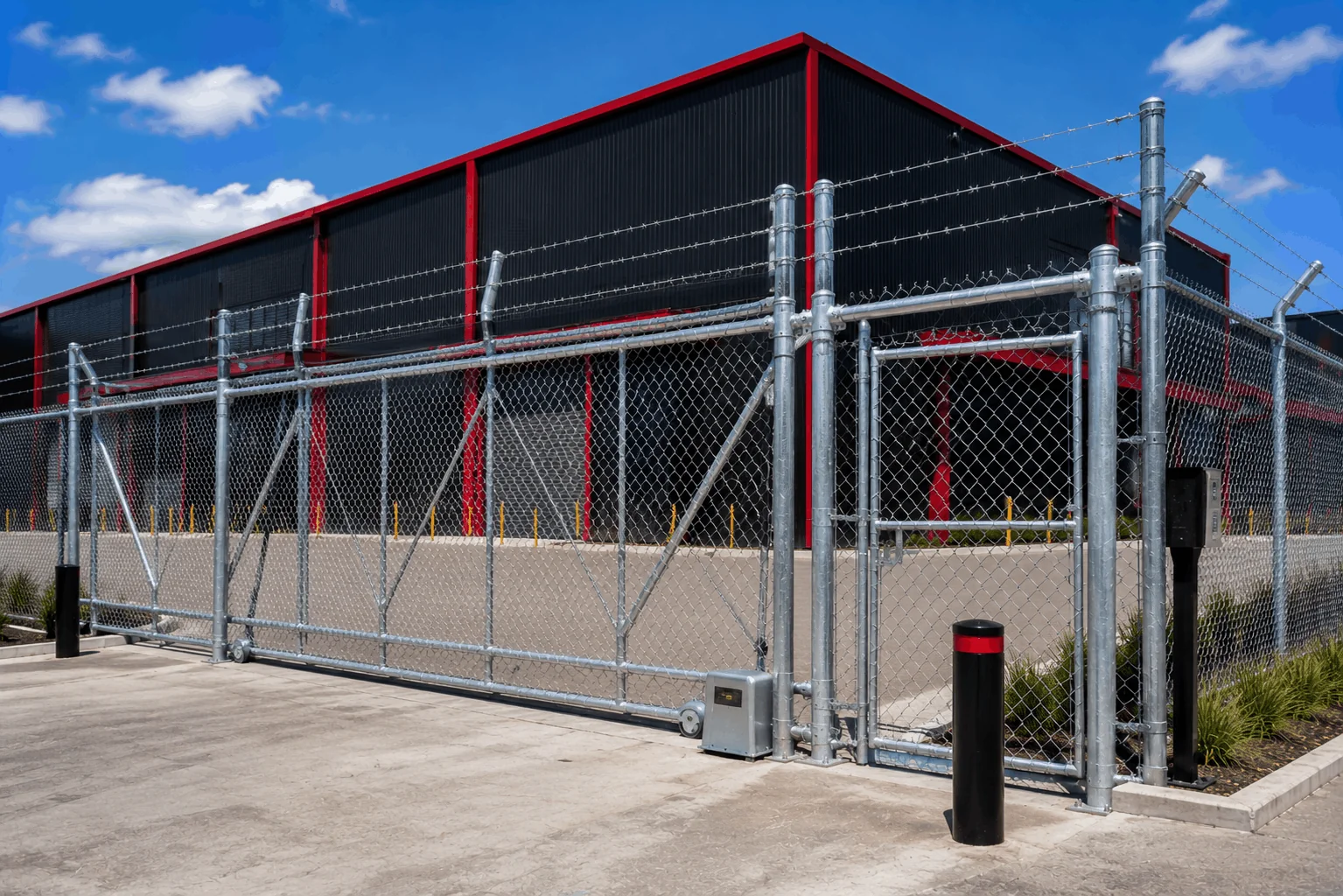
Chain Link Fencing Components Needed for a Complete System
6 May 2026
Learn the chain link fencing components needed to build a secure, durable, and complete fencing system.
Tell us about the fence.
One business day. That's how fast we come back with pricing once we have your quantity, finish and postcode.
Buying regularly? Apply for a credit account