
What Makes Australian Made Security Fencing Worth Choosing?
Discover why Australian made security fencing is worth choosing for durability, reliable supply, quality materials and long-term protection.
Introduction
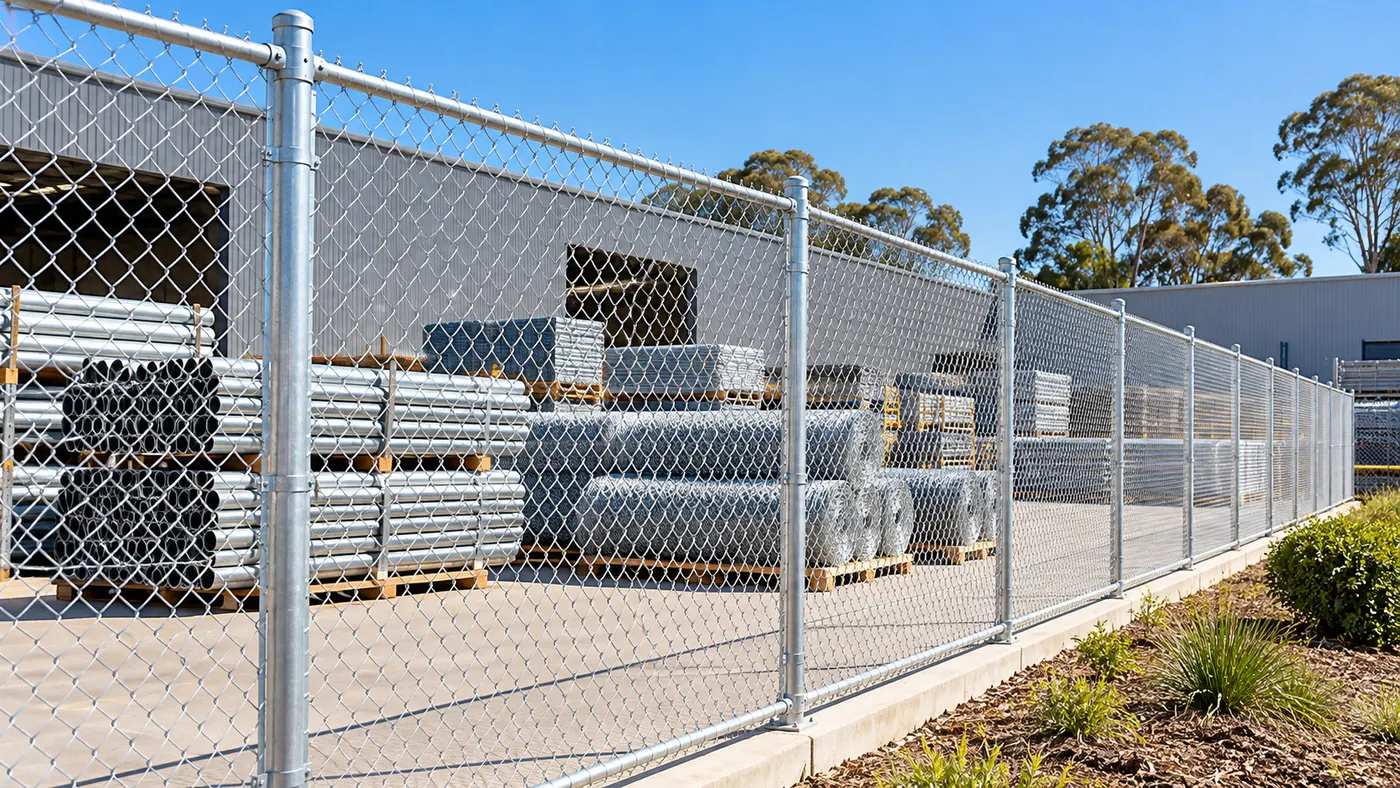
Security fencing plays an essential role in protecting commercial properties, industrial facilities, construction sites, schools, and public infrastructure across Australia. Whether the goal is controlling access, establishing a secure boundary, or protecting valuable equipment, the quality of fencing materials can significantly influence the effectiveness and longevity of the installation.
For contractors, property managers, and project planners, choosing Australian Made Security Fencing involves more than simply selecting a locally manufactured product. It means considering manufacturing quality, material suitability, supply reliability, project specifications, and the ability to obtain compatible components when needed.
Australian conditions can place considerable demands on fencing systems. Coastal environments expose metal components to salt-laden air, industrial locations may experience frequent physical contact or vibration, and exposed properties must account for wind loads and changing temperatures. These challenges make appropriate materials, protective finishes, and installation methods especially important.
Locally manufactured fencing can offer practical advantages through clearer communication with suppliers, easier specification checks, and potentially more predictable access to replacement components. However, Australian manufacture alone does not guarantee superior performance. Buyers should also examine material grades, corrosion protection, fabrication standards, and evidence of compliance with applicable project requirements.
This guide explains what makes Australian made security fencing worth considering, how to assess its quality, and what to look for when selecting a fencing system for long-term protection.
TLDR – Quick Guide
Australian made security fencing can provide advantages in manufacturing traceability, supplier communication, and project coordination.
Durable fencing depends on suitable wire, posts, gates, fittings, and corrosion-resistant finishes.
Locally manufactured products may simplify custom orders, replacement parts, and specification changes.
Australian-made status does not automatically establish compliance with every applicable Australian Standard.
Whole-of-life costs, including maintenance and replacement requirements, are more useful than comparing purchase prices alone.
The right fencing system should match the property's security risks, environmental conditions, and operational needs.
Why Choose Australian Made Security Fencing?
Greater Visibility Into Manufacturing and Material Specifications
One of the practical advantages of purchasing Australian made security fencing is the opportunity to work more closely with manufacturers and suppliers familiar with local construction requirements.
Buyers may be able to request clearer information about wire diameter, mesh aperture, pipe dimensions, galvanising, fabrication methods, and available product configurations. These details are particularly important for commercial and industrial projects where fencing components must meet a defined specification rather than simply provide a general property boundary.
For example, a contractor ordering chainwire fencing for an industrial facility may need to confirm the mesh height, wire gauge, selvage finish, post arrangement, and gate dimensions before installation begins. Having direct access to accurate product information helps reduce the risk of ordering incompatible materials or making expensive changes on-site.
Supaguard supplies fencing components for Australian projects, includingchain link fencing products that can be considered when planning commercial, industrial, and security boundaries.
Better Coordination for Australian Projects
Fencing projects frequently involve multiple parties, including builders, contractors, procurement teams, site managers, and property owners. Miscommunication about dimensions or product specifications can delay installation and increase labour costs.
Working with an Australian manufacturer or supplier can simplify discussions about project drawings, product availability, delivery requirements, and custom fabrication.
Local coordination is especially valuable when a project requires additional materials after installation has started. A supplier that can confirm stock availability, fabrication lead times, and replacement component specifications may help contractors manage unexpected requirements more efficiently.
Although delivery speed varies between suppliers and products, access to local technical support and manufacturing capabilities can be a meaningful advantage.
How Australian Made Security Fencing Supports Long-Term Durability
Materials Designed for Demanding Applications
The durability of a security fence depends heavily on the materials selected for its intended environment.
Steel is commonly used in security fencing because it offers strength, structural rigidity, and compatibility with a range of protective finishes. Chainwire systems also provide visibility through the fence line, making them suitable for many facilities where boundary definition and surveillance are important.
However, not every steel product performs equally. Wire diameter, steel grade, protective coating, mesh construction, and installation quality all influence how well the finished fence withstands daily use.
For high-use facilities, buyers should consider whether the proposed materials are appropriate for repeated gate operation, incidental impact, maintenance activities, and exposure to weather.
Corrosion Protection for Australian Conditions
Corrosion resistance is particularly important for fencing installed outdoors.
Moisture, atmospheric pollutants, salt exposure, and damaged protective coatings can accelerate deterioration in steel components. In coastal areas, salt-laden air may increase the need for careful material selection and ongoing inspection.
Galvanised steel is widely used in outdoor fencing because its zinc coating helps protect the underlying steel against corrosion. Depending on the application, additional protective coatings or alternative material specifications may be appropriate.
Buyers should verify the coating requirements for the actual installation environment rather than assume that every galvanised product provides the same level of protection.
Regular inspection also matters. Scratches, exposed cut edges, damaged fittings, and areas where water collects should be assessed before corrosion develops into a more serious maintenance issue.
Strong Construction and Proper Installation
Even high-quality fencing materials can perform poorly when installed incorrectly.
Post spacing, footing depth, ground conditions, mesh tension, bracing, and gate alignment all affect the performance of the completed system. A fence installed on unstable ground or with inadequate support may develop sagging, movement, or premature component wear.
For this reason, Australian made security fencing should be evaluated as a complete system rather than as individual products.
Contractors should confirm that the selected mesh, posts, fittings, gates, and foundations work together under the site's expected conditions. Proper installation is essential to achieving the intended security performance and service life.
What Security Benefits Can Australian Made Fencing Provide?
Effective Boundary Control and Site Protection
Security fencing helps establish a defined perimeter and discourage unauthorised access.
For industrial facilities, it may separate public areas from operational zones containing equipment, machinery, or stored materials. At schools and sporting facilities, fencing can help direct pedestrian movement and establish boundaries between different activity areas.
The appropriate security level depends on the site's risks. A basic chainwire boundary may be sufficient for some properties, while facilities with more demanding security requirements may need additional height, specialised mesh, controlled access points, or other protective measures.
A risk assessment should determine the necessary design rather than relying on the country of manufacture as evidence of security performance.
Visibility and Monitoring Advantages
Chainwire fencing offers a useful balance between boundary definition and visibility.
Unlike solid barriers, open mesh construction allows people to observe activity on the other side of the fence. This can be beneficial at sites where staff need clear sightlines along the perimeter or where surveillance cameras monitor entry points.
Visibility can also help maintenance teams identify damage, vegetation growth, or objects obstructing the fence line.
Nevertheless, mesh visibility should be considered alongside privacy, access control, and site-specific security requirements. The best fencing solution is one that supports the property's overall security strategy.
Gates and Controlled Access Points
A perimeter is only as effective as its access points.
Gates experience repeated movement and mechanical stress, making their construction and hardware particularly important. Poorly aligned gates, unsuitable hinges, or inadequate latching arrangements can create operational problems even when the surrounding fence is in good condition.
When selecting a complete fencing system, contractors should consider compatiblesecurity gates that suit the opening dimensions, intended traffic, and access requirements.
Gate selection should account for whether the opening will be used by pedestrians, maintenance vehicles, delivery trucks, or specialised equipment. Suitable hardware and regular adjustment can help maintain reliable operation over time.
Australian Standards and Manufacturing Quality: What Buyers Should Check
Australian Made Does Not Automatically Mean Standards Compliant
One important distinction is that manufacturing location and standards compliance are not the same thing.
A product manufactured in Australia may be designed for local applications, but buyers still need to verify that its specifications satisfy the relevant standards, contract requirements, and installation conditions.
Depending on the fencing system, relevant standards may address chainwire materials, steel structural components, galvanising, or installation practices. Supaguard references standards including AS 2423, AS 1725.1, AS 1163, and AS/NZS 4680 across applicable product ranges.
Supaguard Fencing
+1
The appropriate standards should be identified for each project, and compliance documentation should be checked against the specific products being supplied.
For a more detailed explanation, Supaguard's guide toAustralian security fencing standards discusses the importance of fencing specifications, structural components, access points, and site requirements.
Questions to Ask Before Approving Fencing Materials
Before purchasing security fencing, buyers should obtain enough technical information to confirm that the proposed products meet their needs.
Important questions include:
What wire diameter, mesh opening, and fence height are specified?
Which protective finishes are available?
Are the posts and framework appropriate for the intended installation?
Which Australian Standards apply to the selected products?
Can the supplier provide technical specifications or relevant compliance documentation?
Are compatible gates, fittings, and replacement components available?
Can custom dimensions or finishes be supplied if required?
These checks are particularly valuable when fencing forms part of a larger construction or infrastructure contract.
A clear specification also makes it easier to compare quotations fairly, because suppliers can be assessed against the same technical requirements.
Is Australian Made Security Fencing Worth the Investment?
Comparing Initial Price With Whole-of-Life Costs
The lowest purchase price does not necessarily represent the best long-term value.
A fencing system's total cost includes materials, transport, installation, maintenance, repairs, and eventual replacement. Products that require frequent adjustment or early replacement can become more expensive over their operating life.
For example, inadequate corrosion protection may lead to premature deterioration, while poorly matched fittings may create repeated maintenance requirements. Similarly, gates that are unsuitable for frequent use can introduce operational costs through hardware replacement and realignment.
When comparing fencing options, buyers should consider expected service life, maintenance access, replacement part availability, and the suitability of the materials for the installation environment.
Australian made security fencing can be a worthwhile investment when its specifications, quality, and supplier support deliver measurable benefits over the life of the project.
The Value of Custom Manufacturing
Standard fencing products suit many applications, but some projects require dimensions or configurations that are not readily available.
Custom fabrication can be valuable when working around existing structures, unusual boundaries, restricted access points, or specialised equipment.
Supaguard offers in-house fabrication capabilities for products such as custom-sized chainwire gates, non-standard mesh configurations, security panels, posts, and tubular framework. These capabilities can help contractors source components that align with project drawings rather than relying entirely on standard sizes.
Supaguard Fencing
Custom manufacturing is particularly useful when accuracy and compatibility affect installation efficiency. However, buyers should confirm drawing approval procedures, fabrication tolerances, lead times, and finish requirements before placing an order.
Supplier Reliability and Ongoing Support
Reliable supply is another important consideration when evaluating fencing products.
Construction schedules can be affected by missing components, incorrect quantities, or delays in receiving replacement materials. Suppliers that provide clear quotations, accurate specifications, and consistent communication help contractors plan installations more effectively.
For repeat buyers, product consistency also matters. Being able to source compatible mesh, posts, fittings, and gates across multiple projects can simplify procurement and reduce administrative work.
Supplier capability should therefore be assessed alongside material quality, especially for commercial, industrial, and infrastructure projects.
How to Choose the Right Australian Made Security Fencing for Your Property
Match the Fencing System to the Application
Different properties have different security and operational requirements.
A warehouse may need a perimeter that defines access routes and protects stored equipment. A school may require fencing that balances visibility, controlled access, and pedestrian safety. A utility facility may need a more specialised arrangement based on its security assessment and infrastructure requirements.
Before selecting materials, establish the purpose of the fence and identify any site-specific constraints.
These may include the required fence height, ground conditions, vehicle access, existing structures, visibility requirements, and exposure to wind or corrosive environments.
The final specification should reflect those conditions rather than rely on a standard design for every location.
Review the Complete System Before Ordering
Security fencing should be purchased as a coordinated system.
Mesh, posts, rails, fittings, gates, and protective finishes must be compatible with one another. Ordering individual components without checking their dimensions and intended use can create installation difficulties.
Contractors should review drawings, quantities, component specifications, and access requirements before confirming an order.
It is also useful to consider future maintenance. A system built with identifiable, compatible components may be easier to inspect and repair than one assembled from materials with unclear specifications.
Prioritise Long-Term Performance
Choosing Australian made security fencing should ultimately come down to whether the product is suitable for the job.
Locally manufactured materials can offer advantages in communication, customisation, and supply coordination, but those benefits are most valuable when combined with appropriate specifications and quality installation.
Buyers should prioritise documented material performance, corrosion protection, structural suitability, and supplier support.
By evaluating these factors together, contractors and property owners can select fencing that supports security, reliable operation, and long-term value.
Key Takeaways
Australian made security fencing can offer practical advantages through local manufacturing support, specification clarity, and custom fabrication.
Manufacturing location alone does not guarantee security performance or compliance with applicable Australian Standards.
Material quality, mesh dimensions, protective finishes, and installation methods all influence durability.
Gates, posts, fittings, and mesh should be selected as compatible parts of a complete fencing system.
Coastal exposure, site conditions, and operational demands should influence product selection.
Whole-of-life costs provide a more useful measure of value than initial purchase price alone.
Working with an established Australian fencing supplier can help simplify project planning, procurement, and ongoing maintenance.
Frequently Asked Questions
Is Australian made security fencing better than imported fencing?
Australian made security fencing can offer advantages in supplier communication, manufacturing traceability, and access to custom products. However, manufacturing location alone does not determine product quality or security performance. Buyers should compare material specifications, protective finishes, compliance documentation, and whole-of-life costs before making a decision.
What materials are commonly used in Australian made security fencing?
Steel wire, galvanised steel posts, tubular framework, and metal fittings are commonly used in security fencing systems. Chainwire mesh may be supplied with galvanised or PVC-coated finishes depending on the product and application. The appropriate material combination depends on the property's security requirements and environmental conditions.
Does Australian made security fencing meet Australian Standards?
Australian manufacture does not automatically guarantee compliance with every relevant Australian Standard. Compliance depends on the specific product, its manufacturing specifications, and the requirements of the intended application. Buyers should request relevant technical documentation and verify that the proposed fencing system meets their project specifications.
How long does Australian made security fencing last?
The lifespan of security fencing depends on material quality, corrosion protection, installation methods, environmental exposure, and maintenance. A properly specified and maintained fencing system can provide reliable service for many years, although actual durability varies by application. Regular inspections and timely repairs help prevent minor deterioration from developing into more expensive problems.
Is Australian made security fencing suitable for commercial and industrial properties?
Australian made security fencing can be suitable for commercial warehouses, industrial facilities, schools, infrastructure sites, and other applications. The correct system should be selected according to site risks, access requirements, environmental conditions, and applicable standards. Working with a supplier that provides suitable materials and technical specifications helps contractors plan an effective perimeter fencing installation.
More from the blog.
 Chain Link Mesh
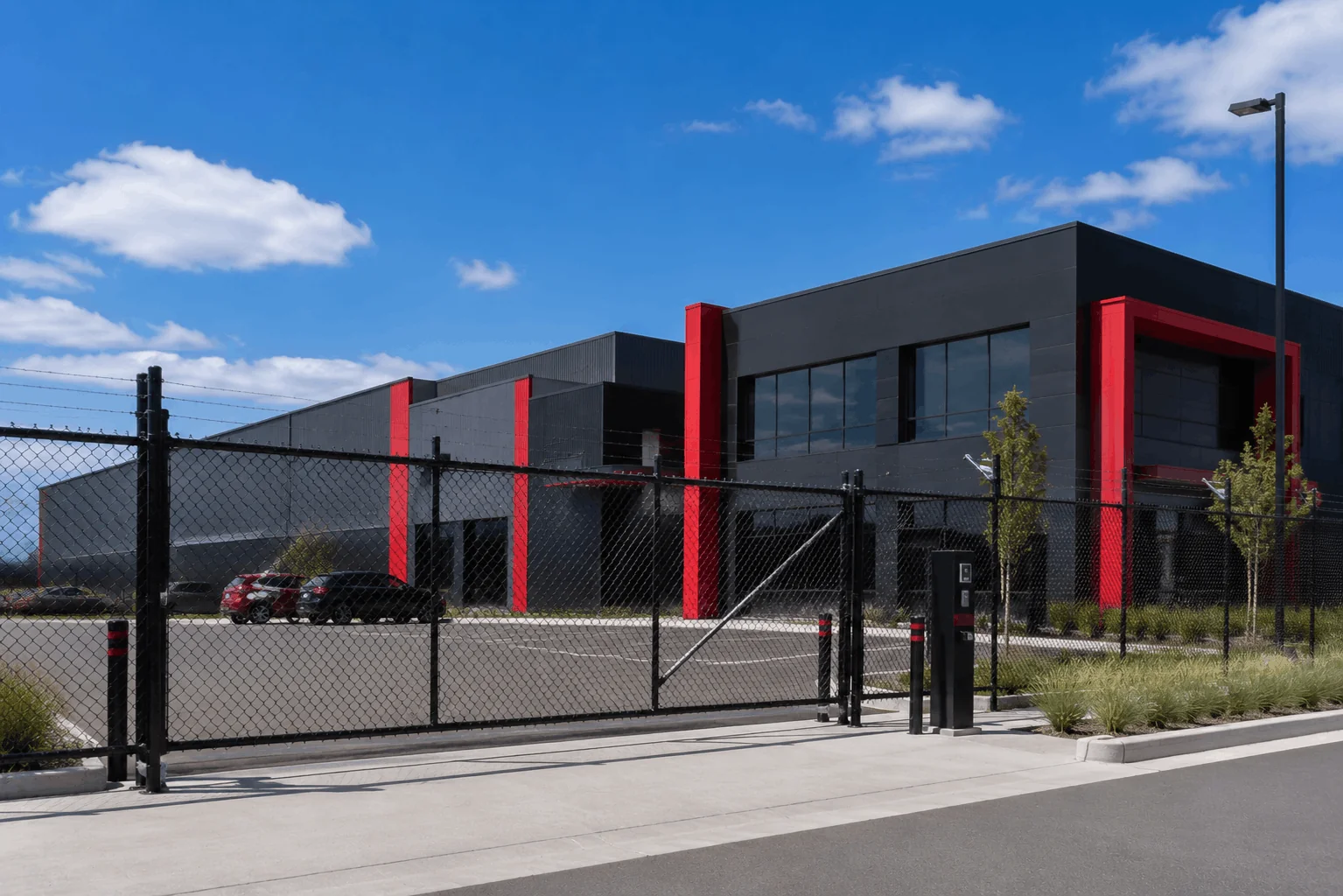
How Long Does Chain Link Mesh Last in Australian Conditions?
4 July 2026
Discover the typical chain link mesh lifespan in Australian conditions and learn what factors affect durability and long-term performance.
 Commercial Applications
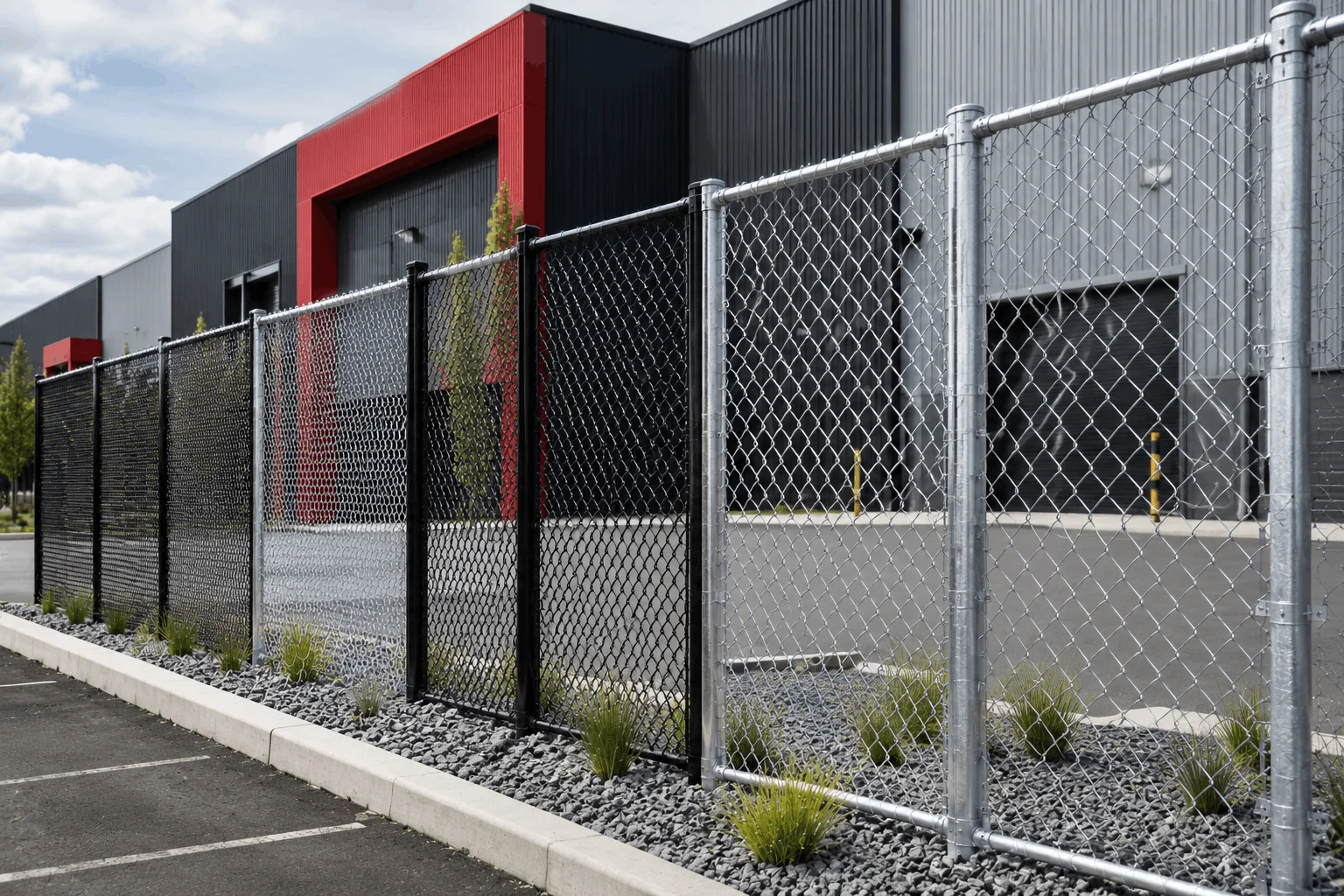
How to Choose Commercial Security Fencing Products
10 July 2026
Learn how to choose commercial security fencing products that improve perimeter protection, access control, durability, and long-term value.
 Chain Link Mesh
How to Choose the Best Chain Link Mesh Size for Security
2 July 2026
Learn how to choose the right chain link mesh size for security, durability, visibility, and long-term perimeter protection.
Tell us about the fence.
One business day. That's how fast we come back with pricing once we have your quantity, finish and postcode.
Buying regularly? Apply for a credit account